Cherry Tree Removal in Allentown, PA
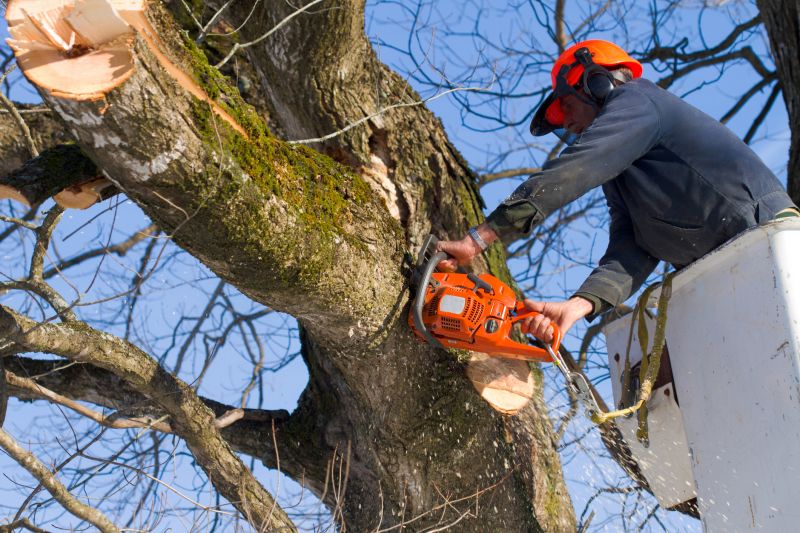
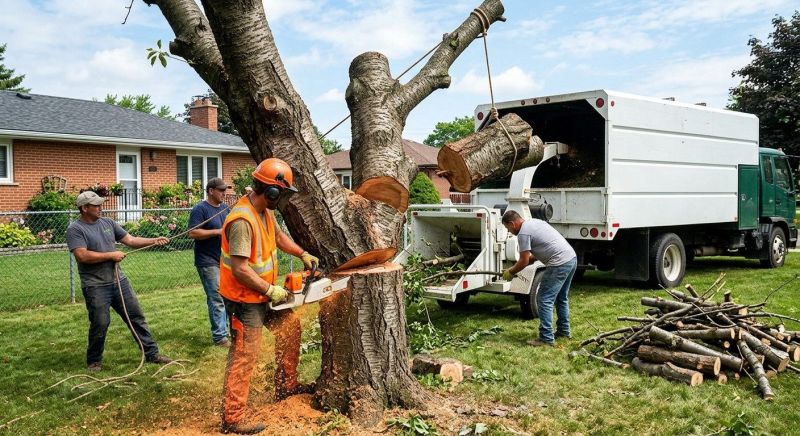
Cherry tree removal services involve the careful cutting and removal of cherry trees that are dead, damaged, or pose a risk to surrounding property. These projects can include removing a single tree that has become diseased or unstable, as well as larger-scale efforts to clear multiple trees from a property for safety, aesthetic, or development purposes. Property owners typically want to understand the scope of the removal process, including how the tree will be safely taken down and what happens to the remaining stump or debris.
Before requesting cherry tree removal, homeowners should consider the size and location of the tree, as well as any potential impact on nearby structures or landscaping. It is also helpful to know if permits are required for tree removal in the area or if there are specific regulations to follow. Clear communication about the condition of the tree and the desired outcome can help ensure the project meets expectations and is completed efficiently.
Many property owners in Allentown, PA look into Cherry Tree Removal for repairs, replacements, upgrades, and appearance-related improvements.
Reasons For Cherry Tree Removal
Trees may need to be removed due to disease, damage, or safety concerns on residential properties.
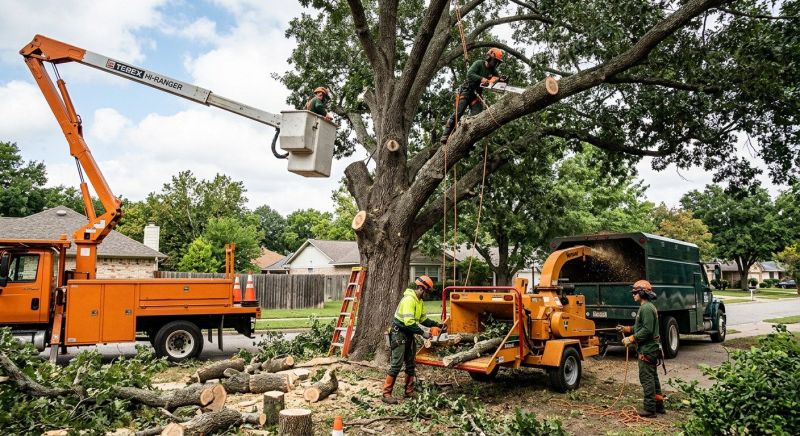
Benefits Of Professional Removal
Expert removal ensures safety, proper disposal, and minimizes impact on your landscape.
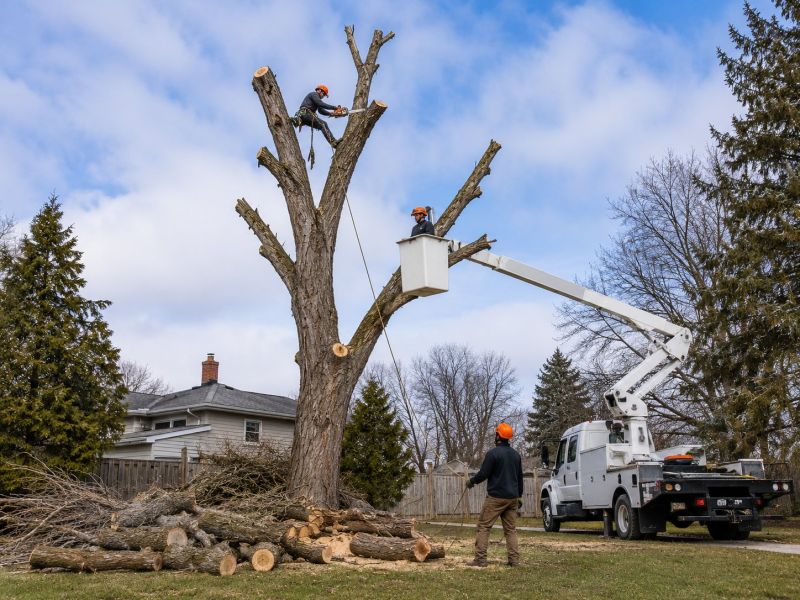
Post-Removal Landscaping Options
After removal, property owners can consider replanting or other landscaping enhancements to improve curb appeal.
Cherry Tree Removal in Allentown, PA

Cherry tree removal services involve the careful cutting and removal of cherry trees that are dead, damaged, or pose a risk to surrounding property. These projects can include removing a single tree that has become diseased or unstable, as well as larger-scale efforts to clear multiple trees from a property for safety, aesthetic, or development purposes. Property owners typically want to understand the scope of the removal process, including how the tree will be safely taken down and what happens to the remaining stump or debris.
Before requesting cherry tree removal, homeowners should consider the size and location of the tree, as well as any potential impact on nearby structures or landscaping. It is also helpful to know if permits are required for tree removal in the area or if there are specific regulations to follow. Clear communication about the condition of the tree and the desired outcome can help ensure the project meets expectations and is completed efficiently.
Many property owners in Allentown, PA look into Cherry Tree Removal for repairs, replacements, upgrades, and appearance-related improvements.
Common Cherry Tree Removal Jobs
Cherry tree removal - safely removes dead or overgrown cherry trees to improve property appearance.
Stump grinding - eliminates remaining tree stumps to prevent regrowth and enhance landscape safety.
Emergency tree removal - handles urgent situations involving damaged or hazardous cherry trees.
Selective pruning - reduces tree height and spread while maintaining overall health and structure.
Root removal - extracts invasive roots that threaten foundations or underground utilities.
Complete tree removal - clears entire cherry trees for construction, landscaping, or property cleanup projects.
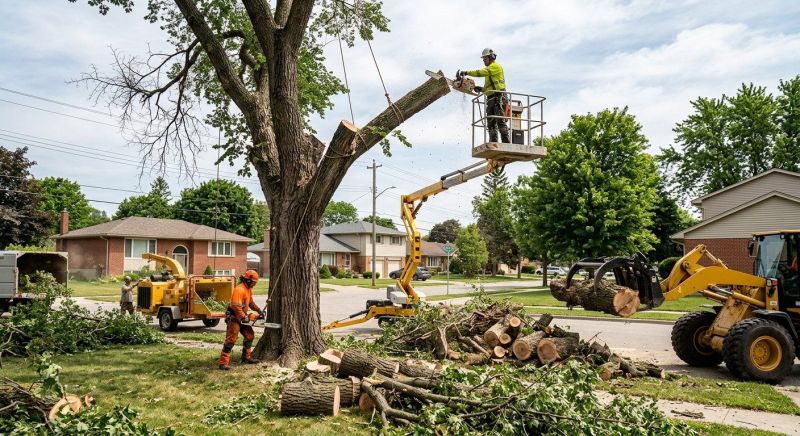
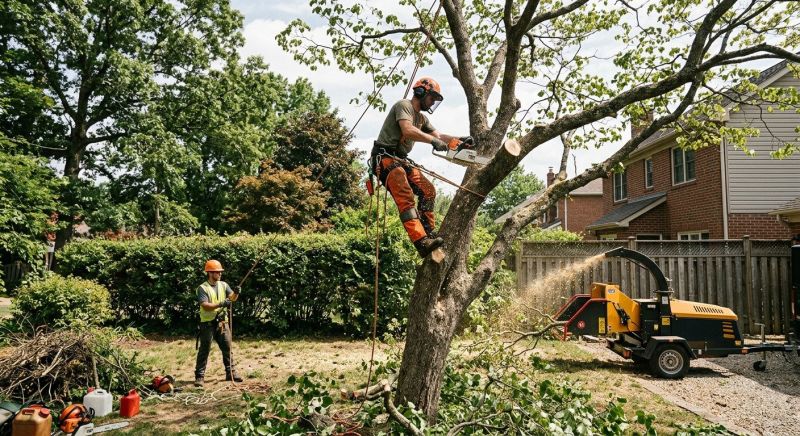
Cherry Tree Removal Questions
What is involved in cherry tree removal? The process includes safely cutting down the tree and removing the stump and debris from the property.
When should cherry trees be removed? Removal is often needed if the tree is diseased, damaged, or poses a safety risk to the property.
Are there alternatives to removing a cherry tree? Pruning or treatment may be options if the tree is healthy, but removal is recommended if the tree is beyond recovery.
What should property owners consider before removal? It’s important to assess the tree’s location, size, and potential impact on nearby structures or landscaping.
Request Cherry Tree Removal in Allentown, PA
Use the quote form on this page to share the basics of your project and request more information for the type of work you need.