Palm Tree Removal in Reno, NV
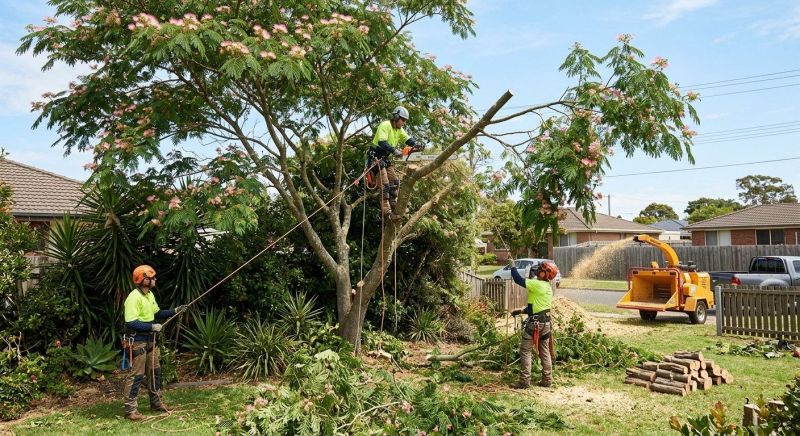
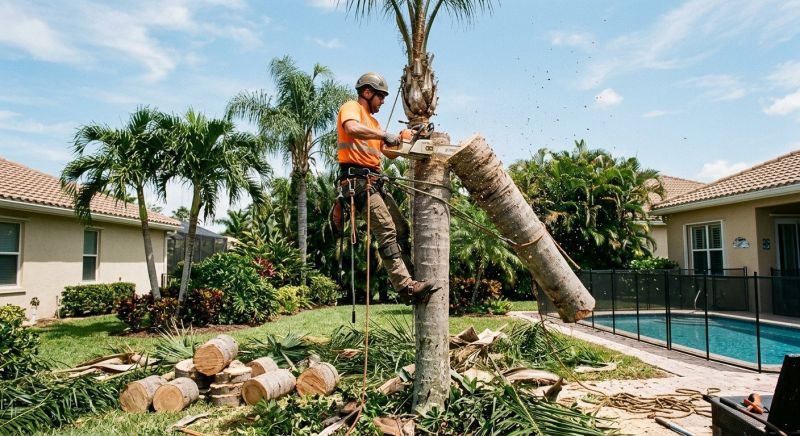
Palm tree removal services involve the careful cutting and removal of palm trees that are dead, diseased, damaged, or pose a risk to property or safety. These projects typically include removing mature palms from residential yards, commercial properties, or public spaces, often requiring specialized equipment and techniques to ensure safe and efficient work. Property owners interested in this service should understand the importance of proper planning, the potential impact on landscaping, and the need for thorough cleanup after the removal process.
Before requesting palm tree removal, homeowners usually want to know about the scope of work, including whether the entire tree or just certain parts will be removed, and if stump grinding or removal is included. It’s also helpful to consider any local regulations or permits required for tree removal, especially for larger or protected species. Clear communication about the condition of the tree and the desired outcome can help ensure the project meets expectations and minimizes disruption to the property.
Many property owners in Reno, NV look into Palm Tree Removal for repairs, replacements, upgrades, and appearance-related improvements.
Tree Removal For Safety
Removing hazardous or dead palm trees helps protect property and people.
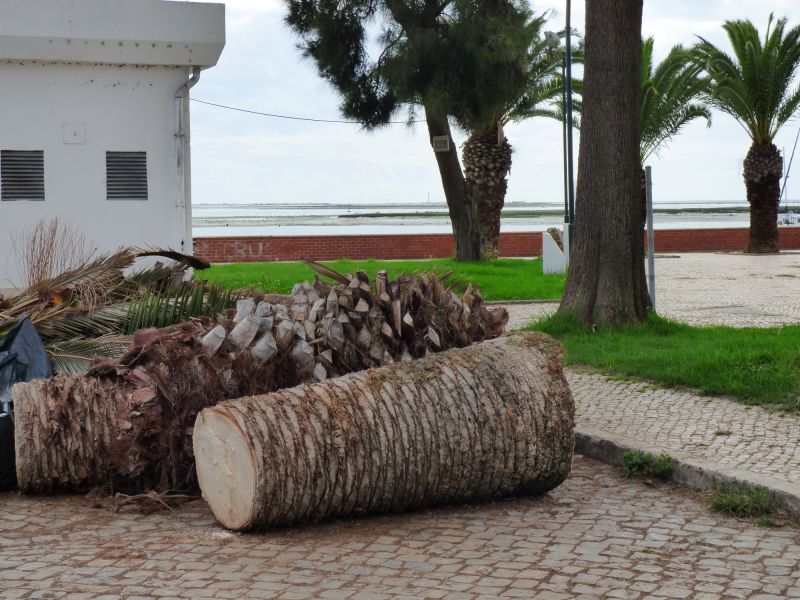
Property Enhancement
Proper palm tree removal can improve the appearance and value of residential and commercial properties.
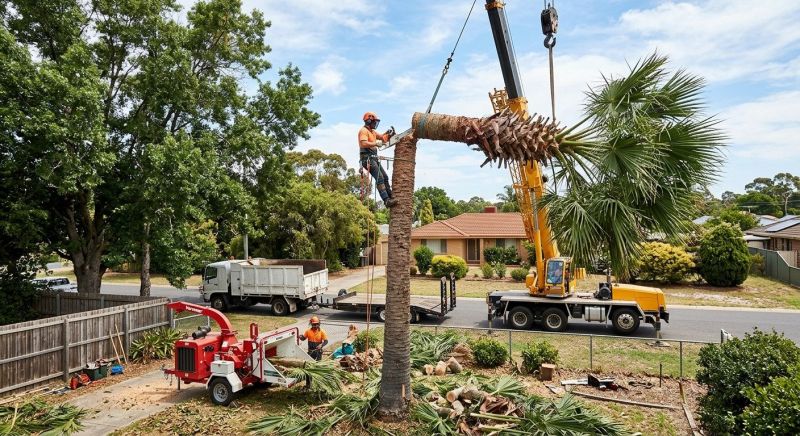
Storm Damage Cleanup
Clearing fallen or damaged palms ensures safety and prevents further property damage after storms.
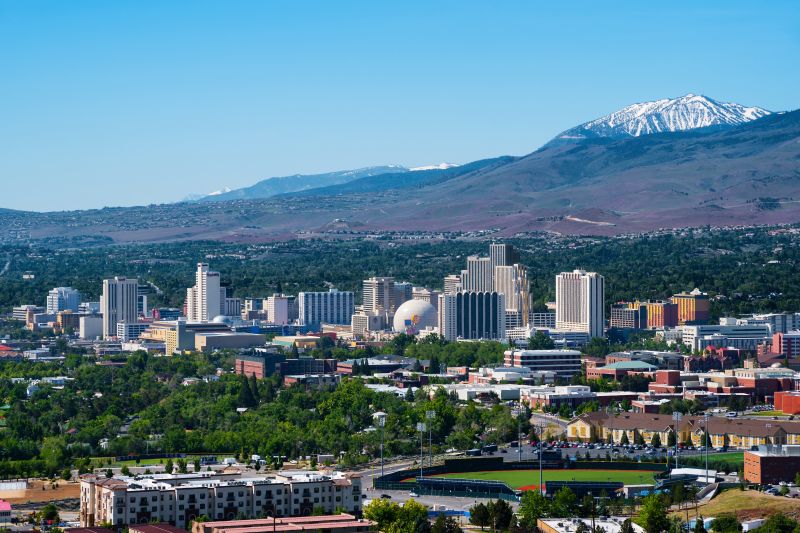
Palm Tree Removal in Reno, NV
Palm tree removal services involve the careful cutting and removal of palm trees that are dead, diseased, damaged, or pose a risk to property or safety. These projects typically include removing mature palms from residential yards, commercial properties, or public spaces, often requiring specialized equipment and techniques to ensure safe and efficient work. Property owners interested in this service should understand the importance of proper planning, the potential impact on landscaping, and the need for thorough cleanup after the removal process.
Before requesting palm tree removal, homeowners usually want to know about the scope of work, including whether the entire tree or just certain parts will be removed, and if stump grinding or removal is included. It’s also helpful to consider any local regulations or permits required for tree removal, especially for larger or protected species. Clear communication about the condition of the tree and the desired outcome can help ensure the project meets expectations and minimizes disruption to the property.
Many property owners in Reno, NV look into Palm Tree Removal for repairs, replacements, upgrades, and appearance-related improvements.
Common Palm Tree Removal Jobs
Palm tree removal - safely removes dead or decaying palms to prevent property damage.
Stump grinding - clears remaining stumps for a smooth, level yard surface.
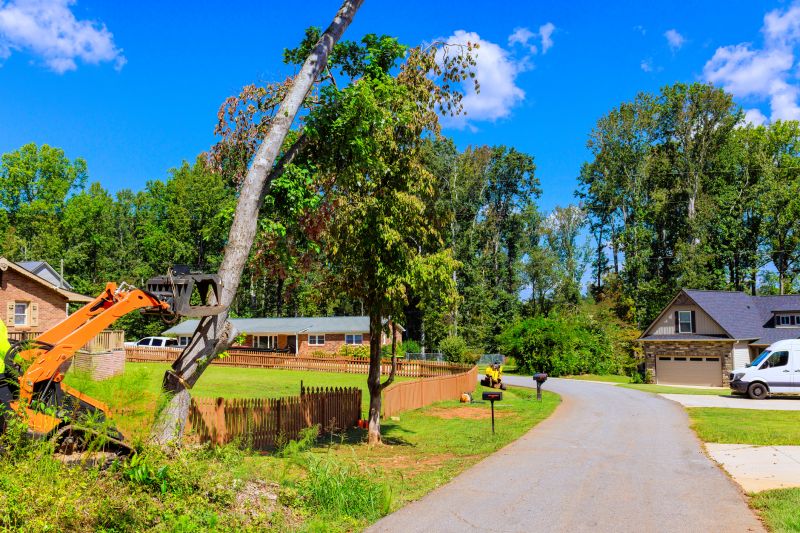
Hazard tree removal - eliminates palms that pose a risk during storms or high winds.
Selective pruning - trims palms to improve health and maintain aesthetic appeal.
Complete tree removal - handles large or overgrown palms that obstruct views or structures.
Emergency palm removal - provides quick response for storm-damaged or fallen palms.

Palm Tree Removal Questions
When is palm tree removal necessary? Removal may be needed if a palm is diseased, damaged, or poses a safety risk due to falling fronds or instability.
How can I tell if my palm tree needs to be removed? Signs include dead or dying fronds, leaning trunk, or extensive trunk rot that affects stability.
What should property owners consider before removing a palm tree? Consider the tree’s size, location, and any potential impact on surrounding structures or landscaping.
Are there alternatives to complete removal? Pruning and health treatments can sometimes address issues, but removal is recommended if the tree is beyond recovery or safety concerns exist.
Request Palm Tree Removal in Reno, NV
Use the quote form on this page to share the basics of your project and request more information for the type of work you need.