Deadwood Removal in San Jose, CA
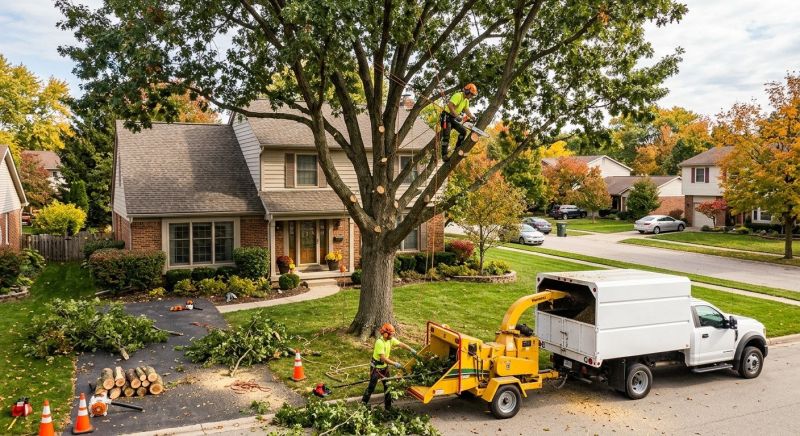
Deadwood removal services focus on safely and efficiently removing dead, damaged, or hazardous trees and branches from residential properties. This type of work covers a variety of projects, including removing fallen trees after storms, trimming overgrown branches that threaten structures or power lines, and eliminating dead trees that pose safety risks or hinder landscape aesthetics. Property owners typically want to understand the scope of the removal process, the equipment used, and any potential impact on their landscape, ensuring that the work is completed safely and with minimal disruption.
Before requesting deadwood removal, homeowners should consider the size and location of the trees or branches in question, as well as any access restrictions on the property. It’s also helpful to clarify whether the service includes cleanup and disposal of debris, and if there are specific safety precautions to be aware of during the process. Understanding these details can help property owners make informed decisions and ensure the project aligns with their landscape maintenance goals.
Many property owners in San Jose, CA look into Deadwood Removal for repairs, replacements, upgrades, and appearance-related improvements.
Types Of Deadwood Removal
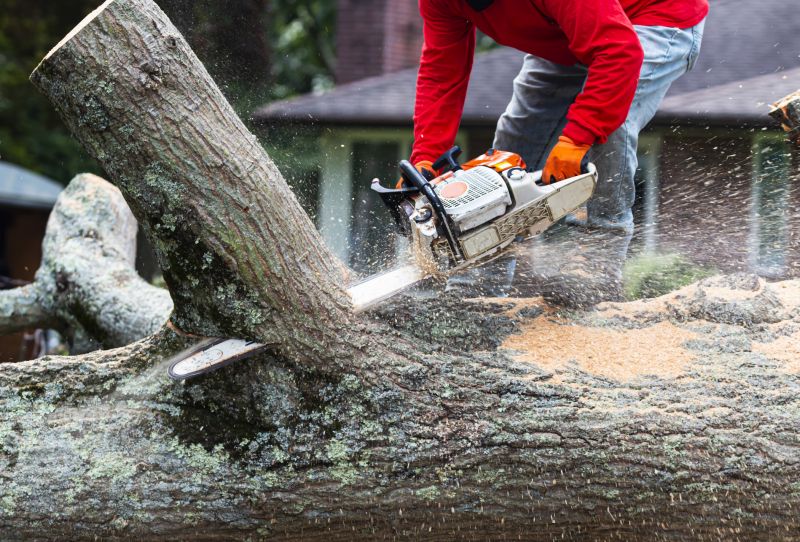
Services include removal of dead branches, fallen trees, and hazardous limbs to improve safety and appearance.
Benefits Of Deadwood Removal
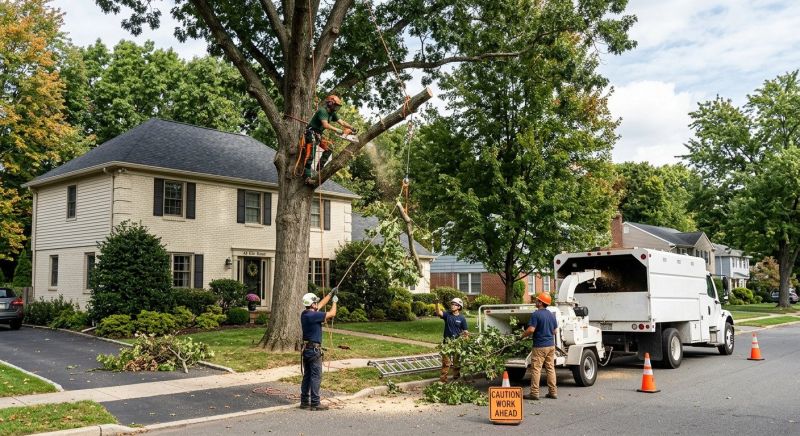
Removing deadwood enhances property safety, promotes healthy tree growth, and maintains landscape aesthetics.
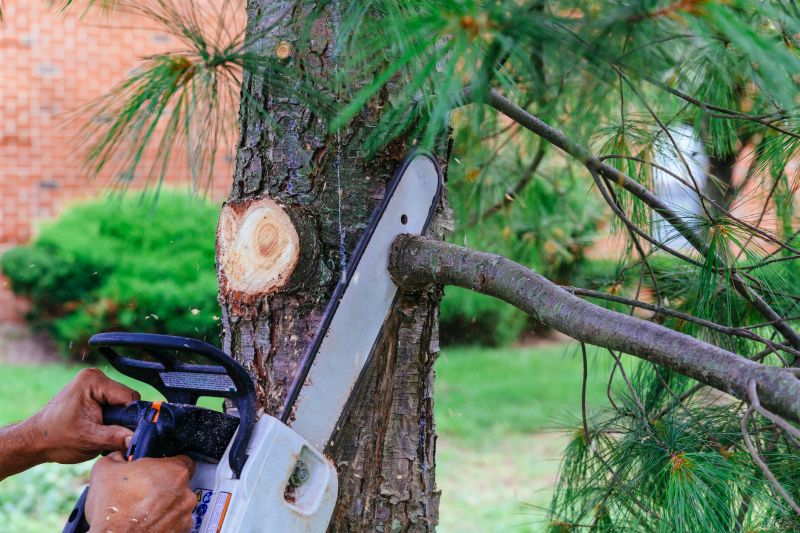
Common Project Situations
Deadwood removal is often needed after storms, to clear overgrown trees, or to prepare properties for new landscaping in san jose, ca.
Deadwood Removal in San Jose, CA
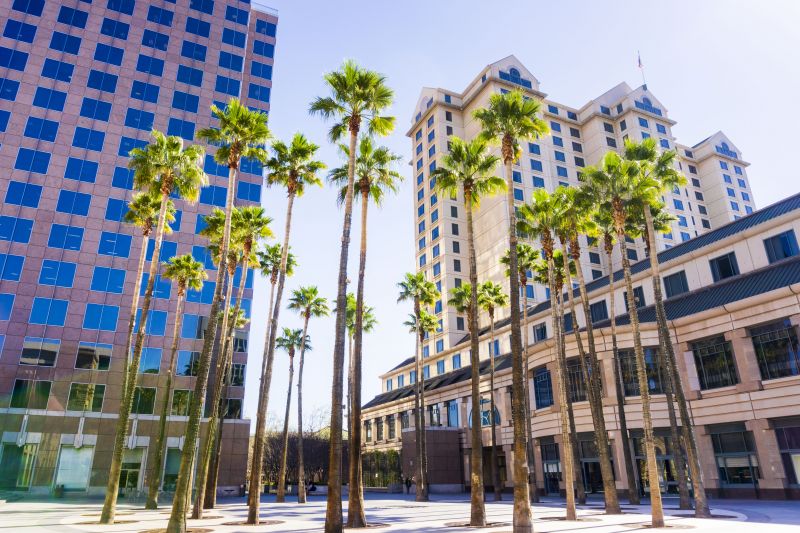
Deadwood removal services focus on safely and efficiently removing dead, damaged, or hazardous trees and branches from residential properties. This type of work covers a variety of projects, including removing fallen trees after storms, trimming overgrown branches that threaten structures or power lines, and eliminating dead trees that pose safety risks or hinder landscape aesthetics. Property owners typically want to understand the scope of the removal process, the equipment used, and any potential impact on their landscape, ensuring that the work is completed safely and with minimal disruption.
Before requesting deadwood removal, homeowners should consider the size and location of the trees or branches in question, as well as any access restrictions on the property. It’s also helpful to clarify whether the service includes cleanup and disposal of debris, and if there are specific safety precautions to be aware of during the process. Understanding these details can help property owners make informed decisions and ensure the project aligns with their landscape maintenance goals.
Many property owners in San Jose, CA look into Deadwood Removal for repairs, replacements, upgrades, and appearance-related improvements.
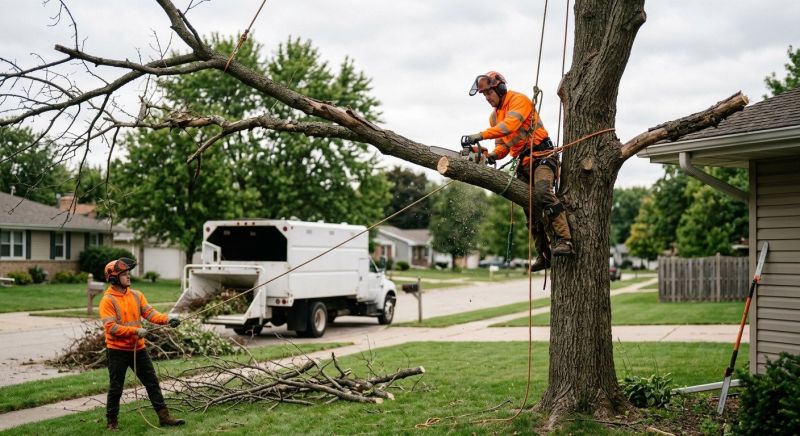
Common Deadwood Removal Jobs
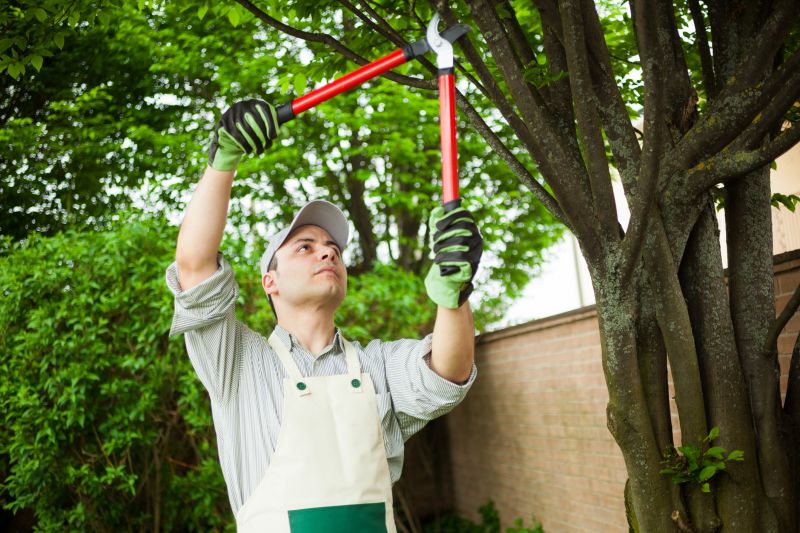
Deadwood Removal Questions
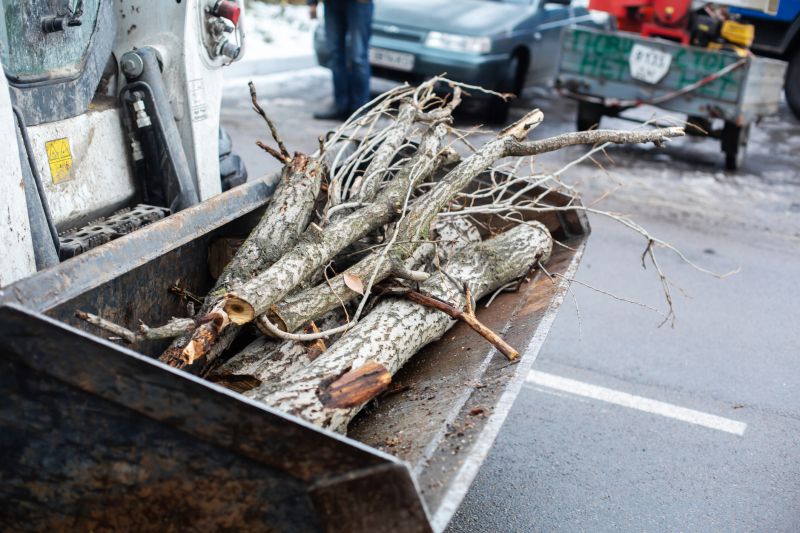
What types of debris are removed during deadwood removal? Deadwood removal typically includes removing broken, decayed, or unstable branches and limbs from trees to improve safety and health.
Why should deadwood removal be performed? Removing dead or dying branches reduces the risk of falling limbs and helps maintain the overall health of the tree.
Is deadwood removal necessary for all trees? Not all trees require deadwood removal, but it is recommended for trees with visible dead or damaged branches that pose safety concerns.
What are common projects that require deadwood removal? Deadwood removal is often requested for property safety, tree health improvement, or preparing trees for storms and seasonal changes.
Request Deadwood Removal in San Jose, CA
Use the quote form on this page to share the basics of your project and request more information for the type of work you need.